Organizers

The Ministry of Health (MOH) of Liberia is the government body responsible for formulating, implementing, monitoring, and evaluating health policies, plans, and standards across the country. Its mission is to reform and manage the health sector to deliver comprehensive, quality health services that are equitable, accessible, and sustainable for all Liberians.
The MOH oversees various functions, including the delivery and coordination of decentralized medical care in public facilities, development of health manpower, preventive services, and specific health interventions. It emphasizes equity, quality, efficiency, sustainability, accountability, and partnership in its operations.
As of February 2024, Dr. Louise M. Kpoto serves as the Minister of Health, leading the ministry’s efforts to improve healthcare delivery in Liberia.
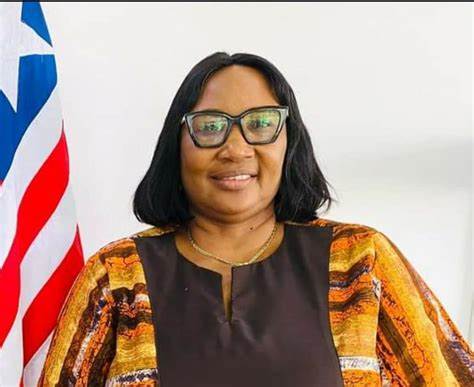
Dr. Louise Mapleh Kpoto, MD, MPH, PhD. Minister
The recent unprecedented Ebola Virus Disease (EVD) epidemic in West Africa highlighted the need for the establishment of a public health institute in Liberia, which supports national health delivery services. With the plan to revitalize health services in the country, it was essential for the Government of Liberia to establish a National Public Health Institute of Liberia (NPHIL). In collaboration with the Ministry of Health, NPHIL strengthens existing infection prevention and control efforts, laboratories, surveillance, infectious disease control, public health capacity building, response to outbreaks, and monitoring of diseases with epidemic potential.
Dougbeh Chris Nyan, M.D. Director General.
The University of Liberia (UL) is a publicly funded institution of higher learning located in Monrovia, Liberia. Authorized by the national government in 1851, the school opened in 1863 as Liberia College and became a university in 1951. The school is one of the oldest institutions of higher learning in West Africa and is accredited by the Liberian Commission on Higher Education. Civil wars have disrupted and damaged the school over the last three decades.
The University of Liberia has six colleges, three professional schools (including a law school and medical school), and three graduate programs with a total of approximately 18,000 students at its three campuses in and around the country’s capital city. UL also has five institutes for study in areas such as the Chinese language and population research. The law school is the only one in Liberia. Graduates have gone on to leadership roles in Liberian politics including former President Arthur Barclay.
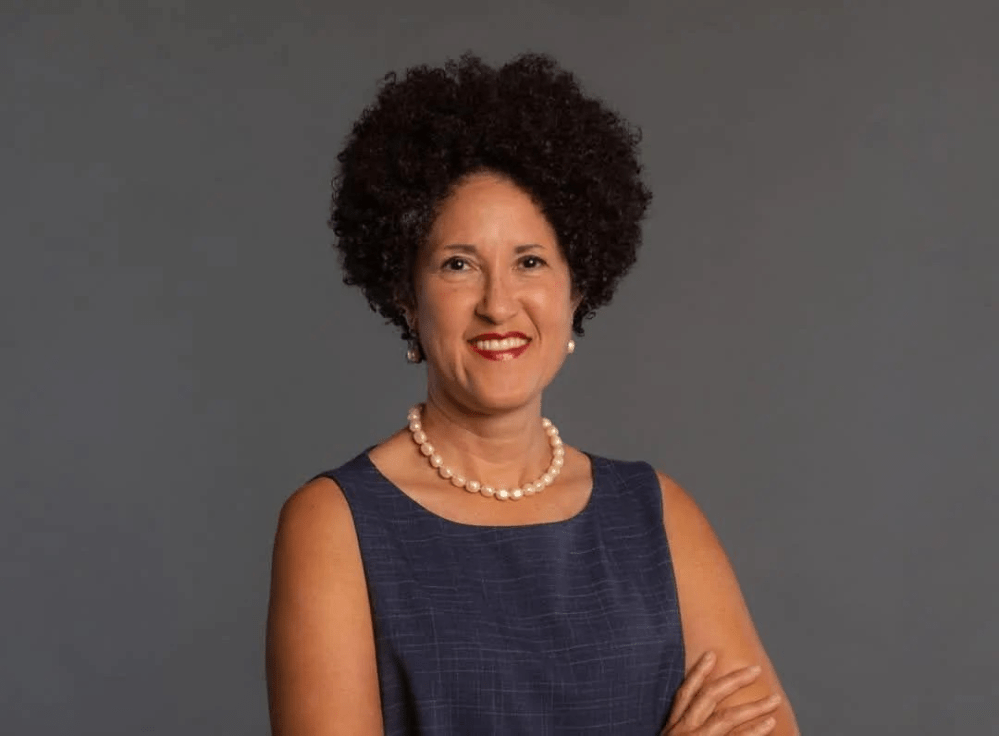
Dr. Layli Maparyan, PhD, President, University of Liberia

As a result of the Ebola epidemic, the Ministry of Health developed an Investment Plan for Building a Resilient Health System (2015 – 2021). This plan explains the steps to strengthen Liberia’s health system. This investment plan helps advance the National Health Policy and Plan (2011 – 2021). A high priority of the Investment Plan is to strengthen epidemic preparedness, surveillance, and response; this will help counties and districts build the skills to identify early signals of an epidemic and respond faster.
To help achieve this priority, the Ministry of Health started the Field Epidemiology Training Program (FETP) in 2015. This program helps national, district and county surveillance officers, as well as other public health workers, to learn new epidemiology skills and techniques for investigating diseases and other health-related events. The Ministry of Health worked with Emory University from the United States, the African Field Epidemiology Network (AFENET), and the U.S. Centers for Disease Control and Prevention (CDC) to stand up the program in the first 2 two years. Currently, the National Public Health in Liberia (NPHIL) is now the custodian of the program, in partnership with AFENET and CDC. This is part of a 5- year cooperative agreement funded by the CDC.

Dr. Peter Adewuyi, MBBS, MPH, PhD, Resident Advisor.
Partners



 EDNSC 4.0